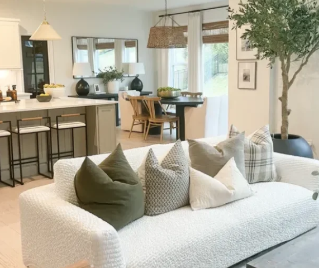
Home improvement centers offer budget-conscious ways to boost daily comfort with durable basics and versatile upgrades. Practical options include energy-saving fixtures, door seals, and targeted insulation that pay back in warmth and lower bills. Add soft textures and adaptable lighting to form cozy zones without crowding spaces. The plan emphasizes space efficiency, from compact storage to room accents, providing measurable mood and comfort gains across work, relaxation, and play—while inviting the next practical step.
What Makes a Home Feel More Comfortable on a Budget
Creating a comfortable home on a budget centers on thoughtful choices that maximize both function and atmosphere. The approach favors durable materials, versatile layouts, and simple yet effective upgrades. Soft accents blend with existing decor to elevate budget ambiance. Compact upgrades optimize space and cost, while energy savings measures reduce ongoing expenses. Practical planning ensures lasting comfort without excess, matching freedom with efficiency.
Smart Lighting and Insulation Tweaks You Can DIY Today
Smart lighting and insulation tweaks offer tangible upgrades that fit a budget while boosting daily comfort. DIY opportunities center on smart lighting options, efficient fixtures, and guided insulation tweaks that reduce drafts without major remodeling. The approach emphasizes practical steps, measurable results, and safety. Readers gain freedom through simple choices: adjustable illuminance, energy-saving bulbs, door seals, and targeted attic or pipe insulation. insulation tweaks, smart lighting.
Cozy Textures and Sound Control for Calmer Rooms
Cozy textures and sound control translate comfort into tangible, practical improvements for everyday living. The approach centers on selecting soft surfaces, textiles, and layered acoustics that dampen echoes without sacrificing airflow. Readers are guided to evaluate room dynamics, choose materials with proven familiarity, and deploy targeted sound control strategies.
Results: calmer spaces, improved focus, enhanced mood, and freer living through mindful design.
Practical, Affordable Upgrades to Support Work, Relaxation, and Play
Practical, affordable upgrades can transform a home into a more efficient workspace, a calmer relaxation zone, and a safer play area without major renovations. The approach centers on mindful changes: cozy textiles for warmth without bulk, budget lighting that adapts tasks, soundproofing basics for quieter focus, and space temperature tricks that balance comfort with energy use. Each suggestion prioritizes freedom, practicality, and measurable results.
See also: fidele
Frequently Asked Questions
How Do I Measure Return on Investment for Comfort Upgrades?
ROI is measured by comparing costs to energy savings, comfort gains, and resale value; use How ROI metrics, Comfort upgrade budgeting, Energy saving lighting timelines, Noise control sleep impact, DIY warranty coverage, Child safe materials to guide decisions.
Can Noise Control Improve Sleep Quality in Apartments?
Yes, noise reduction can improve sleep quality in apartments. Implement practical measures: seal gaps, install solid-core doors, add acoustic panels, use white noise, and select vibration-damping solutions; these steps support calmer nights and greater freedom in living spaces.
Are There Child-Safe Materials for Cozy Rooms?
Child safe materials exist for cozy rooms, prioritizing sustainability and non toxic finishes. Builders can select low-VOC paints, formaldehyde-free composites, and natural fibers to ensure durable, comfortable environments that respect personal autonomy and environmental responsibility.
Which Warranty Options Cover DIY Home Improvement Purchases?
Warranty coverage for DIY purchases varies by retailer and product, but options often include manufacturer warranties, extended service plans, and return protections. The choice affects investment ROI, providing practical, service-oriented protection while empowering customers who value freedom and self-reliance.
How Long Do Energy-Saving Lighting Projects Typically Take?
“Like clockwork,” energy-saving lighting projects typically span 1–3 days for retrofit kits and 2–4 weeks for whole-home upgrades; smaller tasks finish sooner. The focus remains practical, detailing energy savings and clear project timelines, with freedom to schedule.
Conclusion
In the end, nothing says “luxury” like a budget-friendly CFL bulb and a door seal, quietly transforming your home’s climate while you pretend it’s not necessary. The seasoned DIY pro will tell you the attic is a treasure chest of forgotten drafts, the trash bin of wasted heat. Yet with a few affordable tweaks, rooms become calmer, lighter, and oddly more usable. Comfort, after all, is simply thrift with flair.
